Health & Wellness
How I Plan for December in November (and Enjoy It)
Nov 23, 2026

By Rippan Sandhu
We’re not simply preparing a celebration. We’re creating memories and happy times together.
In the blink of an eye, Christmas Eve will be here.
It starts quietly. A work Christmas dinner here, a lunch with friends there, a catch-up that has been put off all year, a gift that still needs to be found, and a gathering at home that somehow has to be organised in between. Each one is lovely on its own. Together, they can start to feel like a lot.
I look forward to December. I enjoy the cooking, decorating, choosing gifts and bringing people together. There is pleasure in thinking about what someone would love to eat or adding a detail that makes an occasion feel special.
I want to enjoy the preparations as well as the gathering itself. And when everyone arrives, I want time to sit with them.
Years ago, I didn’t plan this way. Practice has taught me that a little preparation gives me back what I actually want: time with the people I love, and some time for myself. I can’t do much about how busy December becomes. What I can do is plan for it, and that is why I begin thinking about December in November.
If your November has been as windy and unsettled as ours in Auckland, thinking about December may be the last thing you feel like doing. That is exactly why a little planning now is such a kindness to yourself.
These are the five things I keep in mind. None of them is a big deal, and there is time for all of them.
1. Start early enough to enjoy what you’re creating
Start with a conversation, not a list. Ask the people you’ll be celebrating with what would make December feel special to them. The answers are often simple: a long lunch, a swim, baking together, a day in pyjamas. Put those things in the calendar first. What gets scheduled tends to happen, while what waits for “when things settle down” rarely does.
Then write down everything else December is likely to hold: the work dinner, the lunches, the catch-ups, the gifts and the gathering at home. Seeing it all on one page is often enough to take the edge off. A list turns a head full of unfinished thoughts into jobs you can put in order.
A few small decisions made now save a lot of December energy:
- Have the money conversation while it’s calm. Knowing what you want to spend on gifts and hosting is a kindness to your future self.
- Send the early messages. “Do we know what we’re doing for Christmas Day?” starts the conversation, even if nobody has the answer yet. People usually appreciate being asked early.
- Book anything that fills up. Hairdresser, mechanic, a health check-up, a tradesperson for that small job before guests arrive. December appointments disappear quickly.
- Decide once. Choose one simple gift for the people who get a small something, such as teachers, neighbours and colleagues, rather than reinventing it every time. If Christmas cards aren’t for you this year, that is allowed too.
If you are planning a big gathering, begin with the decisions that affect everything else: who is coming, what you will serve and what help you need. Then check the pantry, serving dishes, seating and anything you might otherwise discover is missing on the day.
Buy ingredients that keep well ahead of time. Leave fresh fruit and vegetable shopping until a day or two before, allowing longer for anything that needs to ripen. Choose a menu with some preparation you can do in advance, so every dish doesn’t need your attention at once.
If people can help, give them a clear responsibility. “Could you bring a salad for eight?” is easier to act on than “Bring something.” Someone else might organise drinks, set the table or help clear away.
And if you are a person who enjoys doing everything yourself, start earlier. There is nothing wrong with taking pleasure in the whole process. Give yourself enough time to do it without spending the gathering thinking about the next job.
A useful order is:
- In November: confirm plans, make your action list, agree on responsibilities and organise gifts or supplies that can be bought early.
- In the week before: check numbers, finalise the menu, buy pantry ingredients and organise serving dishes.
- A day or two before: buy fresh produce and complete suitable food preparation, keeping everything stored safely.
- On the day: finish the cooking, accept help and leave yourself time to get ready.
The list should serve the occasion. It doesn’t need to grow every time you see another lovely idea.
2. Make things beautiful, and remember who they’re for
I enjoy making things beautiful. A carefully wrapped gift, flowers on the table or a meal prepared with attention can be a way of showing someone that you have thought about them.
Those details are part of my enjoyment.
But I find it useful to keep the person receiving them in mind. What would make them feel welcome? What would they enjoy? Sometimes their favourite dish matters more than a complicated menu. A small, thoughtfully chosen gift may mean more than something expensive.
This also leaves room for different generations to contribute. Younger family members may want to bring a dish, introduce music or celebrate in a way that differs from what we have done before. Giving them a part in the occasion allows traditions to develop.
Every family and culture has its own ways of gathering. Some celebrations are large and lively; others are a meal for two, a picnic or a visit to a friend. The care behind them need not depend on their size.
I want the details to help people feel comfortable enough to enjoy themselves. That includes the person who has prepared them.
3. Keep some time for yourself
I don’t want December to arrive with the assumption that every available hour can be given away.
Finding time for myself helps me enjoy being with other people. It might be a quiet cup of tea, a few minutes of silence or eating a meal without checking my phone.
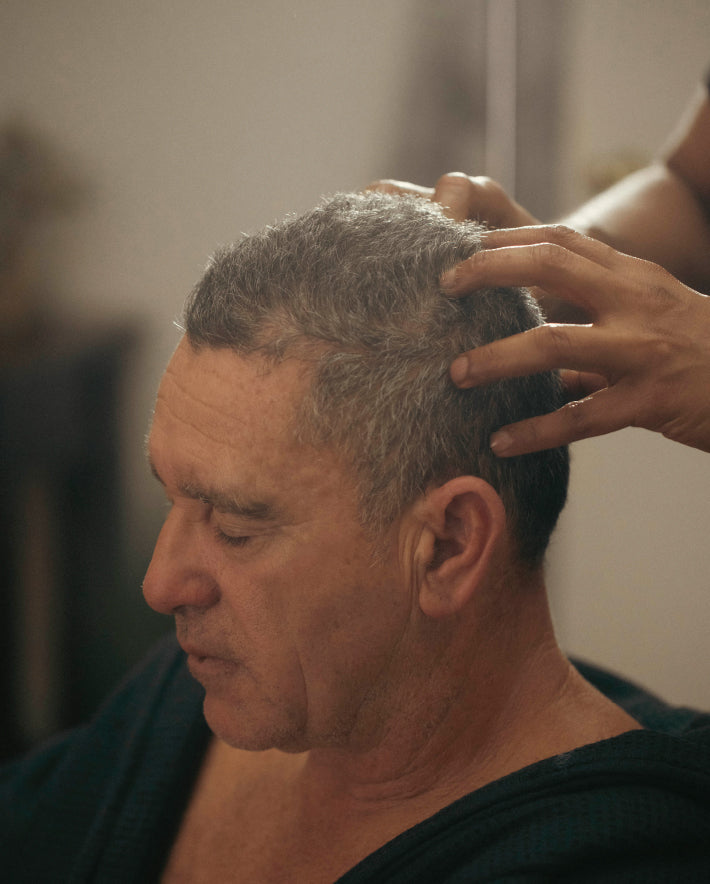
Oil massage is also part of my regular self-care. I value the simple act of taking time to apply oil without rushing straight into the next task. It is familiar, and it gives me a reason to pause. Every day I also apply a little Nabhika 72 navel oil, a small Ayurvedic ritual I find settling.
At night, once I’m lying in bed, I spend a few minutes breathing slowly and gently. I don’t count the breaths or try to do it perfectly. It helps me calm down. If breathing exercises ever make you feel uncomfortable, skip them and choose something else that suits you.
I also practise Viparita Karani, or legs up the wall. I lie on my back with my legs resting up against a wall for a few minutes, usually in the evening, and let my arms and shoulders soften. I find it very relaxing, and it is an easy way to stop for a moment after a full day. Keep it gentle, and if it feels uncomfortable, or you have a health condition or are pregnant, skip it or check with your health professional first.
Ayurveda has a simple view of busy, windy, unsettled times: the body does best with routine and warmth. That is a traditional idea, not a prescription, but I find it practical. If you would like to try it, here are a few gentle suggestions:
- Keep your sleep and meal times as steady as December allows. A late night does less damage when the nights around it are regular.
- Choose warm, cooked food on busy days. Soup, dal, a simple vegetable and rice dish or porridge are easy to digest and easy to make ahead.
- Try a simple cup of cumin, coriander and fennel tea. Steep a pinch of each in hot water after meals. It is an ordinary kitchen tea, not a treatment.
- Oil your feet before bed. A few minutes with a little oil that suits your skin is a quiet way to end the day. Patch-test any new oil first.
- Take a walk outside. Fresh air and a change of scenery do more for a crowded mind than another round of scrolling.
These are ordinary practices I want to keep within a fuller month. They don’t need to become a demanding new routine. Choose something that already suits you and give it a place in your plans. Perhaps it is fifteen minutes outside on a particular morning, a walk or some time with a book. If you share a busy household, let people know when you are taking that time rather than hoping they will guess.
I also think it is worth noticing how quickly a free moment becomes another moment on a screen. Sometimes putting the phone aside is enough to make the time feel like your own again.
You can look forward to a lively December and still want a little space within it.
4. Make time for the experiences you want to remember
A gathering has a date in the calendar. Time with a friend often waits for “when things settle down”. In December, things rarely settle, so I choose a date.
November is a good time to make that call or suggest a day. It doesn’t have to be an elaborate outing. A shared lunch, a walk or an afternoon cooking together gives you time to talk. If the weather is lovely, take advantage of it and head outside.
Cooking can be part of the occasion rather than something that must all happen before anyone arrives. Give someone a chopping board, ask them to taste a dish or let a younger family member help finish the table. There is room for conversation while hands are occupied.
None of this needs to be elaborate. A message, a date in the diary and an hour or two together are enough to make something worth remembering.
5. Leave room for gratitude and connection
As the year ends, I want to remember the people who have been part of it.
A message, a phone call or an invitation can say something we have been meaning to say for months: thank you, I appreciate you, I would like to see you.
I also want to remember that the season feels different for everyone. Someone may be missing a loved one, living far from family, working through the holidays or spending more time alone than they would choose.
A specific invitation can be easier to respond to than “We must catch up.” Ask whether they would like to join you for lunch, take a walk or have a cup of tea. Give them room to accept or decline without having to explain.
Connection doesn’t always require a celebration. Sometimes it is simply making time and paying attention.
That belongs in our plans as much as the shopping does.
What I’m making room for
When I think about December in November, I’m thinking about more than getting jobs finished.
I’m making room to enjoy the food, the preparations and the people. To take pleasure in creating something beautiful, then sit down and be part of it. To keep a little time for myself and make time for someone I want to see.
Your December may look very different from mine. Choose what you genuinely want to enjoy, work out what needs to happen beforehand and let other people take part where they can. There is time for everything, and not everything is a big deal.
If it helps, I have put my December plan on one page. You can download the December Planner here and fill it in for your own month.

We’re not simply preparing a celebration. We’re creating memories and happy times together.
This article shares personal reflections and everyday ideas for planning and slowing down. It is not medical advice, so choose what suits you and your circumstances.
Rippan’s everyday ritual


Rippan Sandhu
Co-founder & Brand Visionary, Ayurda
The architect of the Ayurda brand, co-creator of Australasia’s first authentic Ayurvedic skincare range, and founder of the award-winning Spa Ayurda, now part of Ayurda Wellness. A certified health coach with a long-standing commitment to the wellbeing of women and children.
Rippan Sandhu is the co-founder of Ayurda Wellness in New Zealand. She writes about everyday wellbeing, family life and bringing Ayurvedic principles into modern living, drawing on her personal perspective and experience building Ayurda.
Meet Rippan